The Astra Samui: questions to ask before you buy, and our answers
There are no owner reviews of The Astra Samui yet, because the apartments are sold off-plan and nobody lives there. Here are the questions we would ask in your place, answered from the developer’s documents, with a list of what is still to be confirmed.
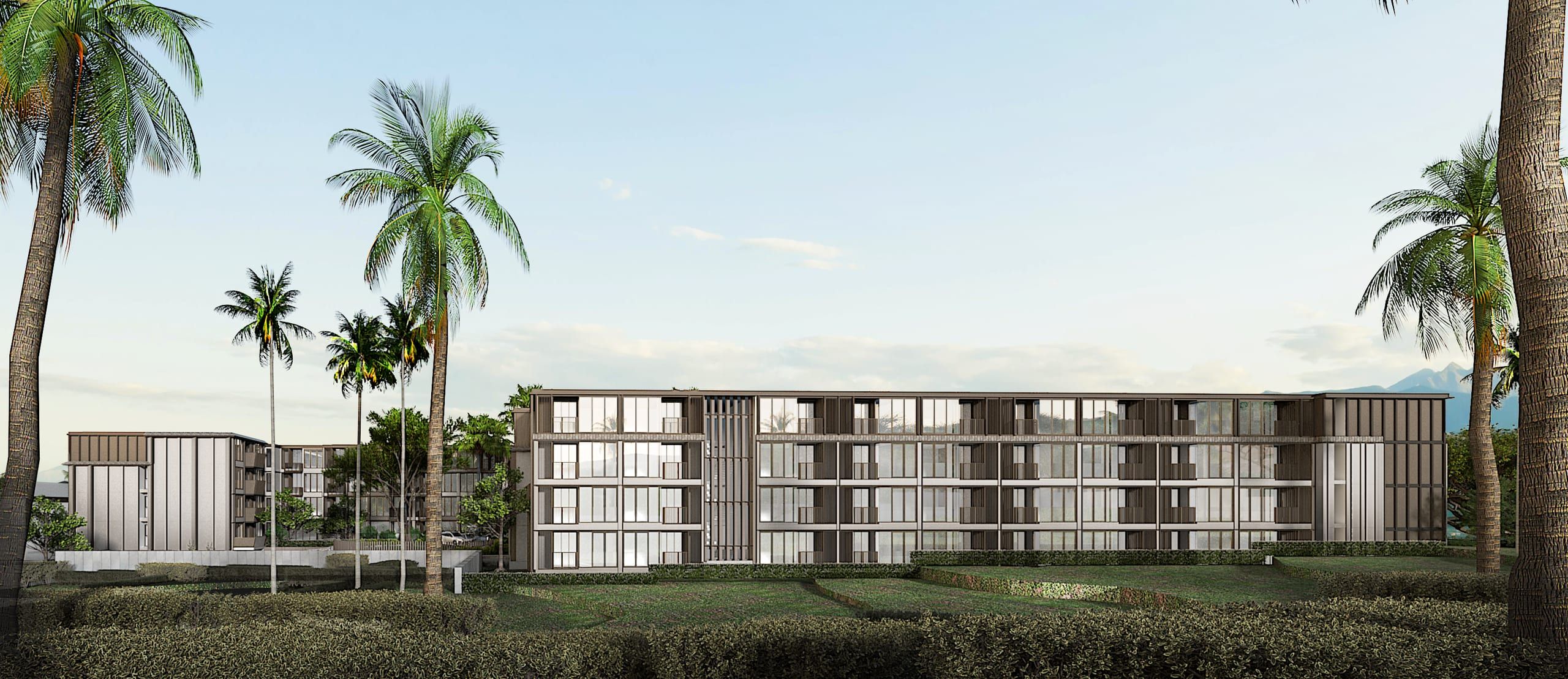
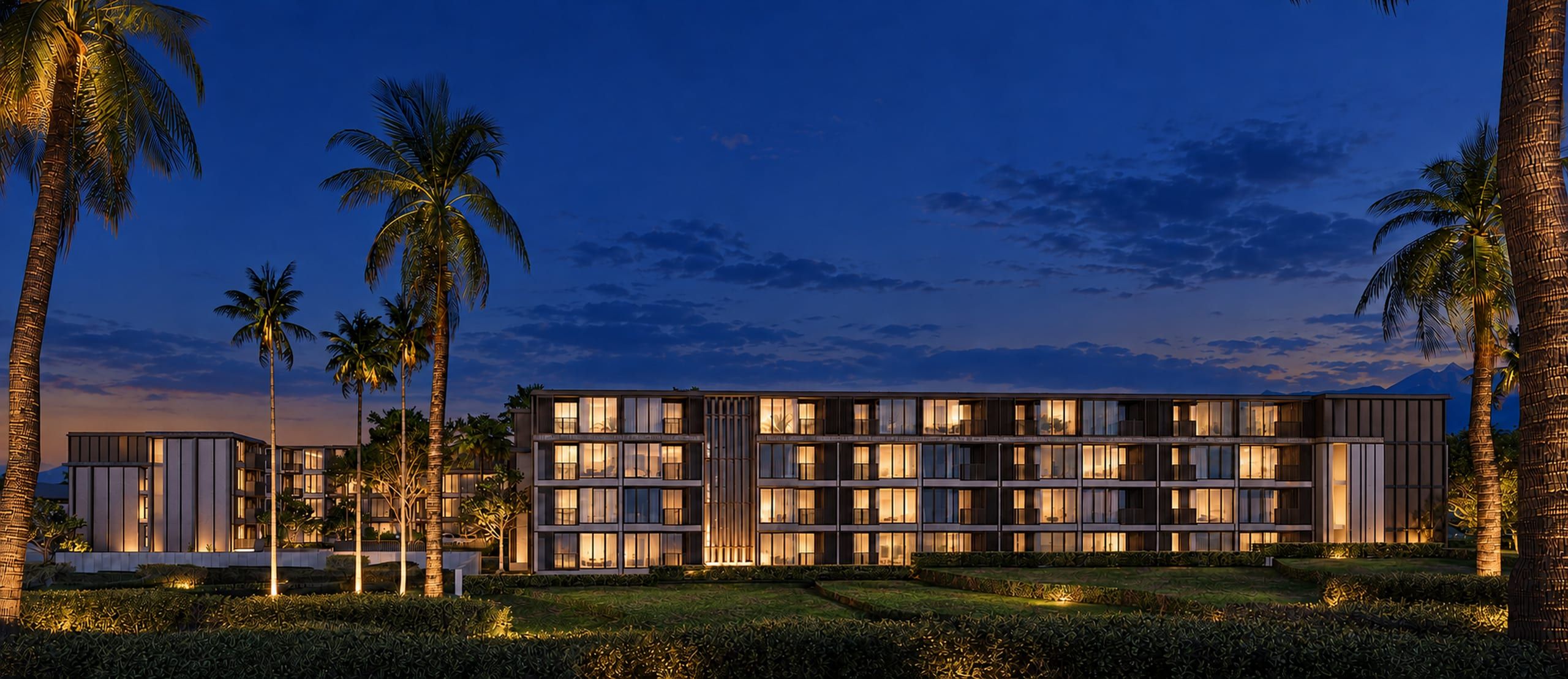
You will not find genuine owner reviews of The Astra Samui yet: the apartments are sold off-plan, with handover planned for December 2028. Star ratings under a similar name often belong to hotels elsewhere. So the useful work is checking the project itself. Below are the questions we would ask in your place, with our answers.
We are Varsovia Estate, the sales agent for The Astra Samui, so we are not neutral reviewers. Every figure about the project on this page comes from the developer’s documents, and where an answer is missing we say so.
At a glance
- What it is: a low-rise, resort-style condominium in Bophut, Koh Samui, with 237 residences in 3 buildings (A, B and C).
- Sizes and prices: studios to 2-bedroom apartments, about 26–73 m² according to the developer, priced from THB 3,700,000 (about €98,000, NBP average rate of 23 October 2026).
- Ownership: freehold; foreign buyers purchase freehold within the foreign quota.
- Timing: handover planned for December 2028.
- Renting out: There is no hotel programme. No rental income is promised.
Where exactly is it?
The Astra Samui is in Bophut, on Koh Samui, in Surat Thani province. According to the developer, Bophut Beach is about 300 m away, Fisherman’s Village 850 m and Samui International Airport 7.3 km.
For everyday life, the developer lists Bangkok Hospital Samui at 6.1 km and International School Samui at 3.3 km. The developer does not say whether these are straight-line or road distances, so if you visit the island, drive the routes you would use most. The Bophut location page has the full list.
Ask: can I see the plot in person or on a video call? We are happy to show it to you.
What can I buy?
There are four apartment types: studio, 1-bedroom, 1-bedroom plus and 2-bedroom. A 1-bedroom plus has a bedroom and an extra room you can use as a study, a children’s corner or a second sleeping area. Across all types, sizes are about 26–73 m² according to the developer.
Residences look onto the lagoon pool or the tropical gardens. There is also a limited number of ground-floor residences with direct pool access from a private balcony. In every residence: air-conditioning, mattress with pillows and a water heater at the shower. The buildings have 4 storeys plus a basement level.
You can compare layouts and see which apartments are open on the apartments page.
Ask: does the area on the plan include the balcony? We cover this below, under what is still to be confirmed.
Can I own it freehold?
Yes, if foreign quota is still open for the apartment you choose. The developer offers freehold; foreign buyers purchase freehold within the foreign quota. Under the Condominium Act, the limit for units owned by foreigners is up to 49% of the total unit area in a condominium, and the limit is counted by area, not by the number of units.
For foreign freehold, the source of the money matters. The developer’s terms put it this way: For foreign freehold, funds must come from abroad in a foreign currency (not Thai baht). The buyer pays any transfer charges. Foreign freehold: the unit title deed is issued in the buyer’s own name. The legal basis is section 19 of the Condominium Act. It lists a few routes, such as permanent residence, but for most buyers from abroad the route is money brought into Thailand in a foreign currency. Your receiving bank issues proof of each transfer (for larger amounts a Foreign Exchange Transaction form), and the Land Office asks for it. Our guide to the FET form explains the paperwork. The transfer is registered at the Land Office at handover, and that is also when the Land Office checks the quota.
If the quota is full, or you prefer it, leasehold is also available. Leasehold: a registered 30-year lease. Renewal is not guaranteed. Under the Civil and Commercial Code a lease of property can run for at most 30 years, and a lease longer than 3 years has to be in writing and registered to bind for its full term. A promise to renew is a term of your contract, not a right in the land register, and Thai courts have struck down renewal clauses used to get around the 30-year limit. Older Thai rulings said a lease ends when the tenant dies. According to a law firm summary of a 2016 Supreme Court ruling (No. 11058/2559), a lease for a fixed term such as 30 years generally passes to the tenant’s heirs instead, but ask for your agreement to say plainly what happens on death. The difference matters for selling and inheriting later, which we explain in freehold vs leasehold in Thailand.
Ask: is foreign quota open for this specific apartment, and will you confirm it in writing before I pay the reservation fee? Our guide to the foreign quota shows how that check works.
Legal status as of 24 October 2026. This is general information, not legal advice. Before you sign, ask a lawyer licensed in Thailand to read the agreement.
When will it be completed?
The developer’s schedule has two main dates. First, roof structure complete: planned for February 2028. Then, handover planned for December 2028. Environmental approval (EIA) is expected in February 2027. The sale and purchase agreement is signed once it is granted.
The developer is a Thai company listed on the Stock Exchange of Thailand (SET), based in Chiang Mai and an award winner at the Dot Property Awards. A listed developer publishes its company reports, which helps you check it, but no off-plan project can rule out delays.
Thai law gives off-plan buyers some protection. Since 2008 the Condominium Act has required developers to sell on a contract form set by the Ministry of Interior. A clause that departs from that form to the buyer’s disadvantage does not bind the buyer, and the developer’s advertising and brochures count as part of the contract. Keep copies of what you were shown. According to law firm summaries, the standard form also covers late handover and defects. How this applies to your agreement is a question for your lawyer.
Ask: what does the purchase agreement say if handover is late, and what happens to my payments if the environmental approval is not granted? Get both answers from the agreement itself, not from a sales conversation.
What will I pay, and when?
Prices start from THB 3,700,000 (about €98,000, NBP average rate of 23 October 2026). The price page shows what is published for each apartment type.
According to the developer: Reservation fee: THB 100,000 (studio, 1 bedroom or 1 bedroom plus) or THB 150,000 (2 bedrooms), fully refundable until 20 November 2026, 17:00. Payments: 30% by 20 December 2026, 30% when the roof structure is complete (planned for February 2028), 40% at handover (planned for December 2028). The developer does not offer financing.
On top of the price, the developer lists these charges:
- Transfer fee: 2%, split equally (1% paid by the buyer)
- Common area fee: THB 50 per m² per month (12 months paid in advance)
- Sinking fund: THB 500 per m², one-off
The fee is set at 2% of the value appraised by the Land Office. The law does not say who pays it, so the split comes from the contract. The seller also owes either specific business tax or stamp duty, plus withholding tax. On a sale by a developer those taxes normally stay with the developer, but check that the agreement says so. The reduced 0.01% transfer fee in force until 30 June 2027 is only for Thai individual buyers within a price cap, so a foreign buyer should plan on the standard rate. A leasehold purchase pays a lease registration fee and stamp duty on the total rent instead of the transfer fee.
Bank charges for the transfer from abroad are yours to pay. Our guide to condo buying costs in Thailand explains what each of these is.
Ask: which of these costs are due at handover, and can I have the total for my apartment in writing?
What is still to be confirmed?
Some answers are not in the developer’s documents yet, or we have not been able to check them. We would rather say so than guess:
- Balcony and area: whether the published sizes include the balcony.
- Foreign quota for your apartment: we confirm it per apartment; there is no published figure for the whole building.
- The reservation fee and the first payment: whether the fee counts towards the first instalment.
- The construction warranty: The developer provides a construction warranty after handover (the period is not stated). Law firm summaries of the standard contract form describe minimum warranties of 5 years for the structure and 2 years for other parts. Ask how the developer’s warranty compares.
- Prices of individual apartments: only the starting price is published so far. Ask us for a quote for the apartment you like.
When any of these is confirmed, we update this page and the date at the top. For how these open points weigh against the project’s strengths, read our review of The Astra Samui.
Can I rent it out?
You can let your residence yourself or through a rental management company. There is no hotel programme. No rental income is promised.Short holiday lets in Thailand can fall under the Hotel Act, which the Department of Provincial Administration oversees. Thai law firms read it as treating stays shorter than 30 days as a hotel business that needs a licence, with an exemption for very small places. A 2023 Department of Lands circular says a condominium building cannot be used for hotel operations, and the condominium’s own regulations can add limits. A draft law to replace the Hotel Act was put to the cabinet in September 2026, but it is not in force. Check all of this with a lawyer before you plan around holiday lets. Pets are not allowed under the condominium regulations.
If your plans change before completion: Resale before handover is possible once the 30% down payment is paid.
Is The Astra Samui a good investment?
We cannot answer that for you, and we will not promise rental income or a rising price.
Instead, test the project against your own plan. Decide whether you will live there part of the year, let it or both, and check that the payment dates fit your cash flow. Work out the running costs for a year with few guests, and allow for the currency risk between your own currency and the baht. The developer’s view of supply on the island is that building rules keep the island mostly low-rise, so good plots near the beach are scarce (according to the developer). Treat that as the developer’s claim, not as a forecast.
The investment page sets out what we know about ownership, costs and letting, without figures we cannot back up.
Who sells it, and how can I check you?
Varsovia Estate is the sales agent for The Astra Samui. Varsovia Estate: a Polish- and English-speaking property sales team in South-East Asia. As we said at the start, that makes us an interested party, so read what we tell you, including this page, with that in mind.
You do not have to take our word for it. You can check three things yourself:
- The developer: listed companies publish reports on the Stock Exchange of Thailand website.
- The company you sign with: ask for its registered name and look it up in the Department of Business Development register.
- The title: freehold transfers are registered at the Land Office, part of the Department of Lands, and the title deed carries your name.
Ask us for the brochure, the floor plans and the reservation agreement before you pay anything, and read them with your lawyer. When you are ready, book a call and put any question from this page to us. There is no hurry. The how to buy guide covers each step from reservation to transfer.
Questions and answers
Are there reviews of The Astra Samui?
Not yet. The apartments are sold off-plan, so nobody lives there today, and star ratings you find online under a similar name often belong to hotels elsewhere. We do not publish ratings or testimonials. This article answers the questions buyers ask us instead and lists what is still to be confirmed.
Is The Astra Samui a good investment?
We cannot answer that for you, and we do not promise rental income or a rise in value. What you can check is the location, the form of ownership, the payment schedule, the running costs and the rules for letting, and then decide whether they fit your own plan.
Can a foreigner buy an apartment at The Astra Samui freehold?
Yes, within the foreign quota of the condominium, which the Condominium Act limits to a share of the total unit area. The buyer also has to qualify under the Act. For most buyers from abroad that means bringing the purchase money into Thailand in a foreign currency, with the bank’s proof of each transfer. Leasehold is also offered. Ask us to confirm in writing that quota is still open for the apartment you choose.
Is there a hotel or rental programme?
No. There is no hotel programme and no rental income is promised. You can let the apartment yourself or through a rental management company, within Thai law and the building regulations. Stays shorter than 30 days can need a hotel licence, so check holiday lets with a lawyer first.
Who sells The Astra Samui?
Varsovia Estate is the sales agent for The Astra Samui. The developer is a Thai company listed on the Stock Exchange of Thailand, so its company filings are public and you can check them yourself.
Sources
Primary sources used in this article, with the date we last checked each one.
- Condominium Act B.E. 2522 (1979) as amended, Thai text, Office of the Council of State (accessed 23 October 2026)
- Tilleke & Gibbins (law firm): Inheritance of condominium units by foreigners in Thailand (Condominium Act, Sections 19 and 19 bis) (accessed 24 October 2026)
- Thai Law Online (law firm): Off-plan condos in Thailand, delays, defects and refund rights (Condominium Act, Sections 6/1 and 6/2) (accessed 24 October 2026)
- Tilleke & Gibbins (law firm): Standard purchase agreements protecting condo buyers (accessed 24 October 2026)
- Thailand.go.th: Foreign property ownership in Thailand, fees for condominiums (accessed 24 October 2026)
- Tilleke & Gibbins (law firm): Thailand extends reduced property transfer and mortgage registration fees, 3 July 2026 (accessed 24 October 2026)
- Revenue Department: Revenue Code, Section 91 (specific business tax) (accessed 24 October 2026)
- Revenue Department: Stamp Duty Schedule (accessed 24 October 2026)
- Tilleke & Gibbins (law firm): Commercial lease agreements and Thai law (Civil and Commercial Code, Sections 538 and 540) (accessed 24 October 2026)
- Addleshaw Goddard (law firm): Thai Supreme Court strikes down automatic long-term lease renewals, 2025 (accessed 24 October 2026)
- Tilleke & Gibbins (law firm): Inheritance of leasehold property in Thailand (accessed 24 October 2026)
- Bank of Thailand: exchange control regulation, summary (accessed 24 October 2026)
- Department of Lands, Thailand (accessed 23 October 2026)
- Ownership of real estate by foreigners in Thailand: requesting ownership of a condominium unit, Thailand.go.th (accessed 23 October 2026)
- Department of Provincial Administration, hotel licensing under the Hotel Act B.E. 2547 (2004) (accessed 23 October 2026)
- Tilleke & Gibbins (law firm): Thailand amends hotel regulations (Ministerial Regulation No. 2, B.E. 2566) (accessed 24 October 2026)
- Tilleke & Gibbins (law firm): Thailand condominiums cannot be used for hotel operations (Department of Lands circular, November 2023) (accessed 24 October 2026)
- Tilleke & Gibbins (law firm): Thailand moves to replace the Hotel Act, 14 October 2026 (accessed 24 October 2026)
- Stock Exchange of Thailand, listed company information (accessed 23 October 2026)
- Department of Business Development, company register (accessed 23 October 2026)
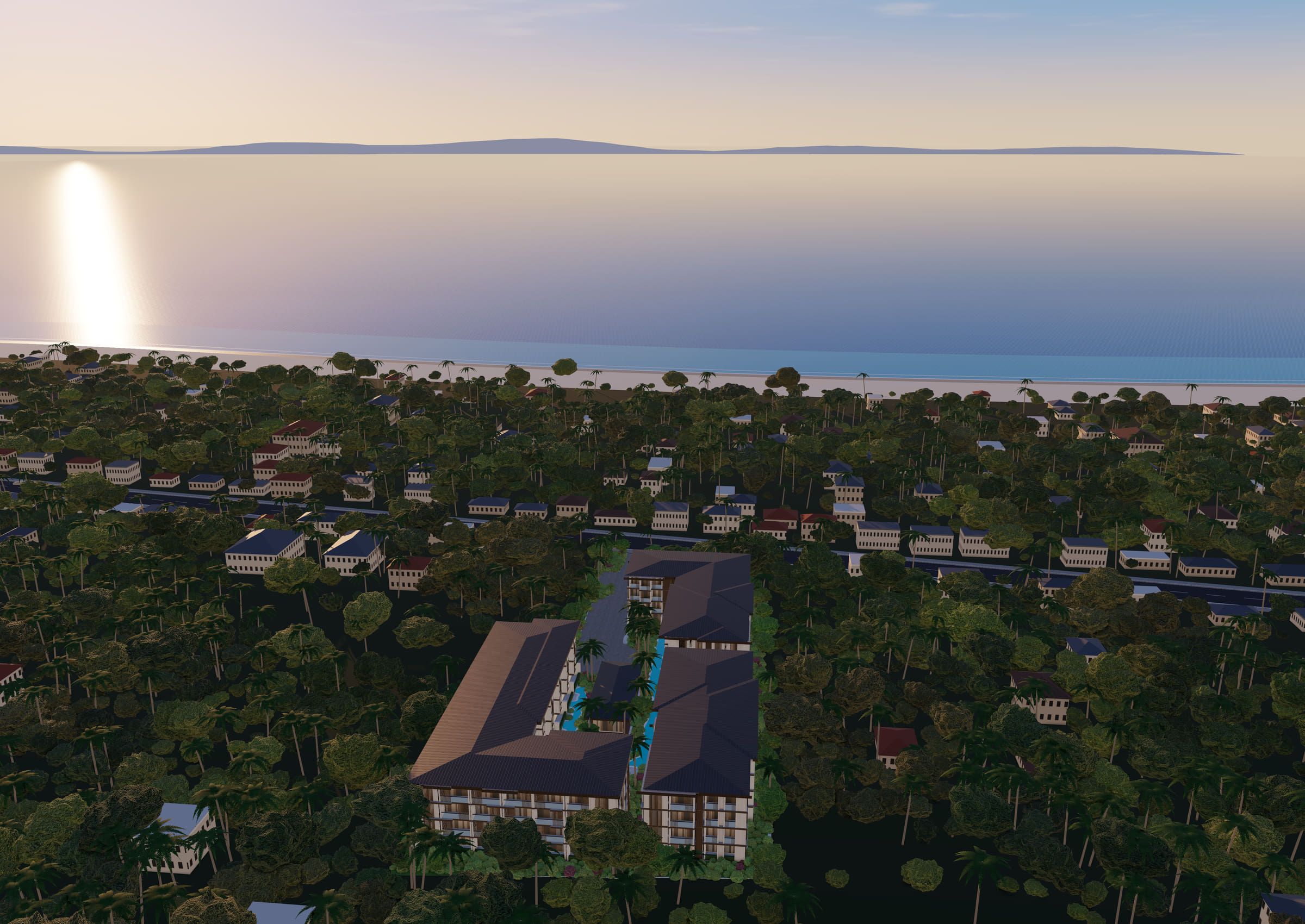
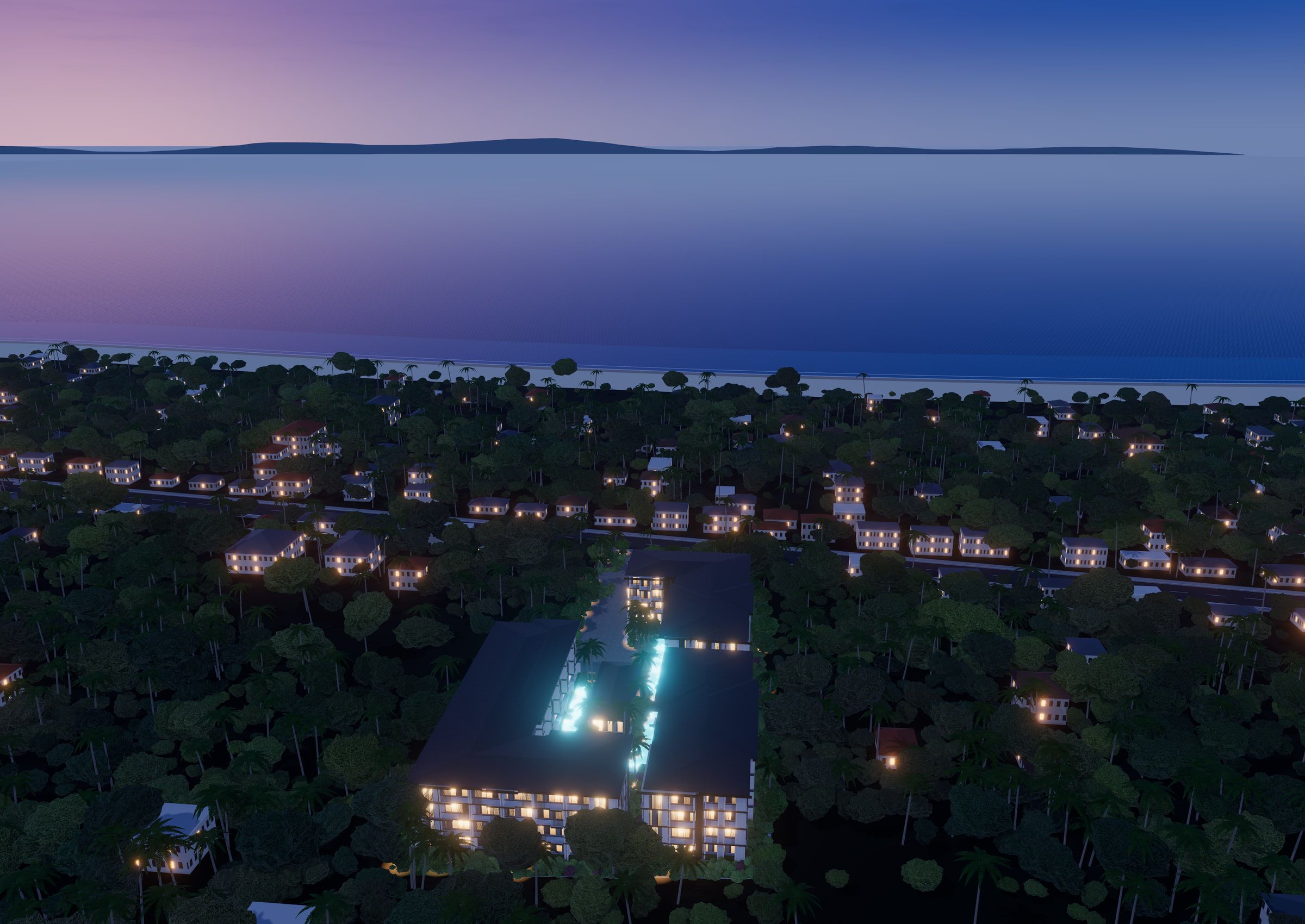
Choose your apartment in 3D
Open the 3D model of the development, pick a building and a floor, and see where each apartment sits and which way it faces.